

From Internship to Career : How French Can 10X Your Job Opportunities in France
For a hospitality student, getting an internship in France can feel like the finish line. You have secured the opportunity, packed your bags, boarded the flight and finally stepped into the country you dreamed of working in. But what happens after the internship? This is where the real career journey begins.
France has one of the world's most recognised hospitality industries, with luxury hotels, Michelin-starred restaurants, resorts, cafés and tourism businesses offering opportunities to skilled professionals. But international students often make one mistake: they assume that their internship experience alone will be enough to secure their next opportunity. It may not be.
Your experience can open the door. French can help you walk through it.
For students who want to build a long-term hospitality career in France, learning French can be much more than an additional qualification. It can become a professional advantage that changes how employers see them, how confidently they work and how many opportunities they can realistically pursue.
Why French Matters in the French Hospitality Industry
Hospitality is fundamentally a people business. You may have excellent technical skills, but your ability to communicate with guests, colleagues and managers can influence your entire professional experience. Imagine working in a luxury hotel where your guests are French-speaking. Imagine being able to understand their requests without constantly relying on someone else. Imagine participating comfortably in team conversations, understanding instructions quickly and responding naturally.
That is a very different professional experience from simply knowing a few French phrases. Speaking French demonstrates something beyond language ability. It shows that you are willing to understand the culture, adapt to your environment and make an effort to connect with the people around you. And in hospitality, that matters.
Your Internship Gets You Experience. French Makes You More Adaptable.
An international internship gives you something your classroom cannot: real-world exposure. You learn how a hotel operates. You experience professional standards. You work with international teams. You understand guest expectations. You learn how hospitality works in another culture.
But language determines how deeply you can participate in that environment. A student who speaks French can potentially understand more conversations, interact with more people and take greater ownership of everyday situations. Instead of waiting for someone to translate an instruction, they can ask questions. Instead of avoiding a conversation with a French-speaking colleague, they can participate. Instead of simply observing the culture around them, they can engage with it.
The more you understand, the more you can contribute.
French Can Help You Stand Out to Employers
Imagine two candidates applying for a hospitality position. Both have similar educational qualifications. Both have completed international internships. Both have relevant technical skills. But one candidate can communicate confidently in French.
That additional skill can make a difference. French language proficiency can signal adaptability, initiative and cultural awareness—qualities that are valuable in an international hospitality environment. It can also expand the range of roles and workplaces a candidate can consider.
Instead of looking only for positions where English is sufficient, a French-speaking candidate may be able to explore opportunities where interaction with French-speaking guests, teams or suppliers is an important part of the role.
The language doesn't replace professional competence. It adds another layer to it.
From A1 to B1: Every Level Builds Confidence
Learning French is a journey, and students don't need to become fluent overnight. The important thing is to build progressively.
At A1, students begin with the foundations: greetings, introductions, basic vocabulary and simple everyday communication. At A2, they can begin handling more practical situations and communicating with greater independence. At B1, communication becomes much more comfortable. Students can understand the main points of conversations, express themselves more clearly and navigate a wider range of professional and everyday situations.
For a student preparing for an internship or career in France, reaching a functional level of French can significantly change the experience of living and working there. And the journey doesn't have to stop at B1. The stronger your language skills become, the more confidently you can operate in French-speaking professional environments.
French Is Also Cultural Intelligence
Learning a language is not simply about grammar. Every language carries the history, humour, habits and worldview of the people who speak it.
French expressions often have cultural contexts that cannot be understood through direct translation alone. Learning the language gives students an opportunity to understand those nuances.
This becomes especially important in hospitality. Hospitality is built around small details: how you greet someone, how you respond to a request, how formally you speak, how you interpret a guest's tone and how you understand social expectations.
Language and culture are closely connected, and understanding both can help students navigate professional environments more naturally.
It Can Help You Build Better Professional Relationships
Careers are rarely built through qualifications alone. They are built through people.
The manager who remembers your work. The colleague who recommends you. The mentor who sees your potential. The employer who thinks of you when another position opens.
Being able to communicate in French can help students build relationships beyond the English-speaking circle.
A conversation over coffee can become a connection. A connection can become a recommendation. A recommendation can become an opportunity.
You never know where a simple "Bonjour" can lead.
French Can Make Everyday Life Easier, Too
Career opportunities are important, but life outside work matters just as much. Living in France becomes easier when you can communicate independently.
Ordering food. Speaking to your landlord. Navigating public transport. Shopping for groceries. Making appointments. Understanding local information. Having conversations with neighbours.
These everyday interactions may seem small, but together they shape your experience of living abroad. The more independent you become, the more at home you can feel. And that confidence often carries into the workplace.
Why Start Learning French Before Your Internship?
One of the biggest advantages students can give themselves is time. Don't wait until you land in France to begin learning the language.
Starting before your internship allows you to arrive with a foundation instead of starting from zero. You can learn basic vocabulary, practise pronunciation, understand common hospitality terminology and become familiar with everyday French conversations before entering the workplace.
Then, once you are in France, your surroundings become part of your classroom. The language you learned in India suddenly has real people, places and situations attached to it.
That's when learning becomes living.
French Can Turn an Internship Into a Career Path
An internship is temporary by nature. A career isn't.
If your long-term goal is to work in France, you need to think beyond the internship from day one. Ask yourself: What skills will make me employable after my internship? What can I add to my profile? How can I become more independent? How can I communicate better? What would make an employer choose me over another candidate?
French can be one important answer.
It won't guarantee a job. No language can. But it can strengthen your profile, broaden your communication abilities and potentially open doors that would otherwise remain difficult to access.
Your internship tells an employer, "I have international experience." Your French can tell them, "I can function in your environment." That distinction matters.
The Competitive Advantage Is in the Combination
The strongest profile isn't built around one skill. It is the combination of skills that creates differentiation.
Hospitality education + international experience + French language + cultural awareness + professional confidence.
Together, these qualities create a much stronger proposition for a student hoping to build a global career.
At Destiny Calling and Fluentzea, the focus is therefore not simply on sending students abroad. It is about helping them prepare for what comes after they arrive.
Because the ultimate goal should not be to say, "I completed my internship in France."
It should be to say: "My internship was where my career in France began."
From Bonjour to Bonjour, I Got the Job
Learning French takes patience. There will be awkward pronunciations, forgotten words, confusing grammar and plenty of moments when your brain refuses to remember something you learned yesterday. But every conversation gets you a little further. Every new word gives you a little more confidence. Every mistake teaches you something.
And eventually, the language that once felt foreign begins to feel familiar.
For students dreaming of a long-term career in France, that journey can be worth it. Because sometimes, the difference between visiting a country and building a career there is not just the opportunity you receive.
It is your ability to become part of the world you're entering. And French could be the bridge that gets you there.

What Is Omotenashi And Why Is the World Obsessed With It?
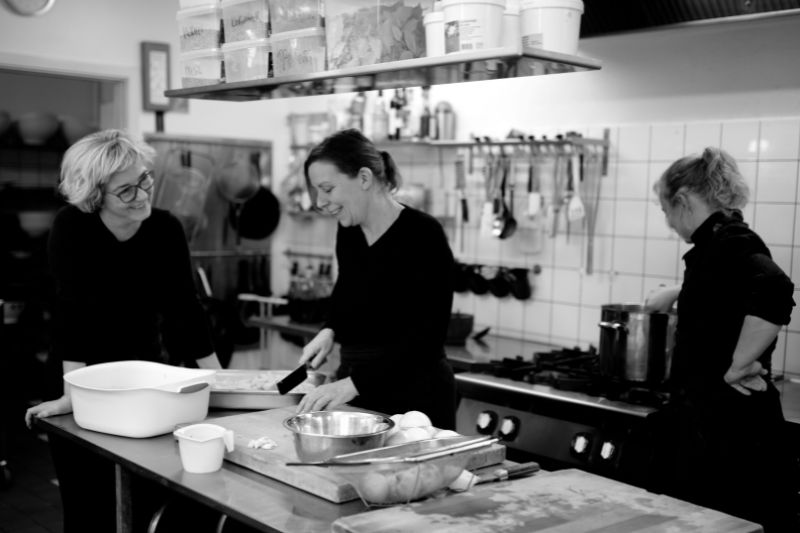
Why French Kitchens are considered the toughest training ground in the world And why that pressure quietly creates the best chefs

What Are Recruiters Abroad Really Looking for in Hospitality Students?
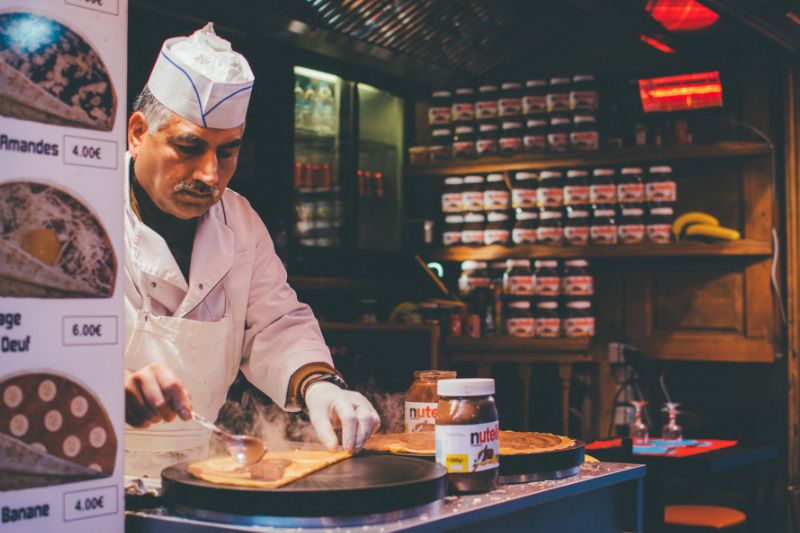
Imagine a day in France as a chef, this is what it looks like

The Courage Tax: Why Every Student Must Step Outside Their Comfort Zone to Grow