
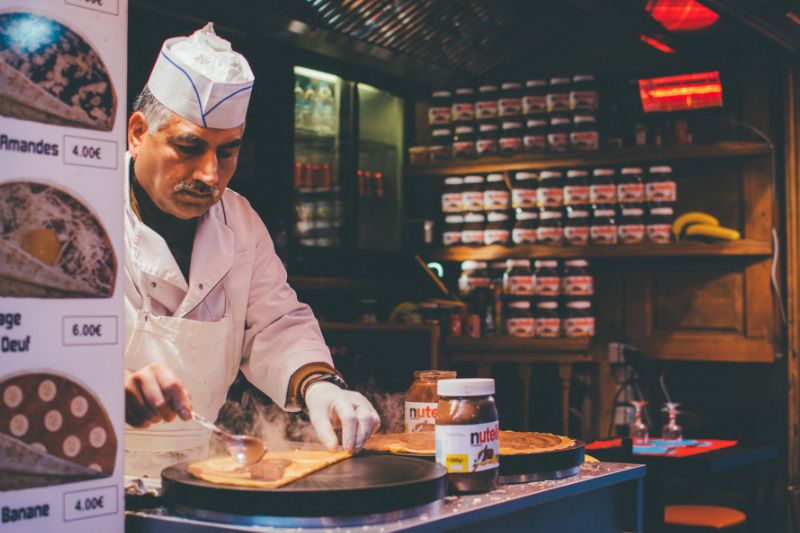
Imagine a day in France as a chef, this is what it looks like
Close your eyes for a moment.
Imagine you've just landed in France.
Today isn't just another day; it's your very first day working in a beautiful French kitchen. The aroma of freshly baked bread fills the air, pans sizzle in the background, and chefs move with remarkable speed and precision. Everyone around you speaks French, and although it sounds unfamiliar at first, you quickly realise something.
The kitchen has its own language, and today, you're about to learn it.
7:00 AM – A fresh start
Your chef hands you a basket of vegetables.
The first task is simple.
You begin by peeling (éplucher) potatoes, carrots, and onions before carefully slicing (couper) them into neat, even pieces. Next, you're asked to grate (râper) a block of fresh cheese for today's special. A senior chef smiles and asks you to pour (verser) fresh cream into a large bowl. You then mix (mélanger) herbs, butter, and spices. Without even noticing, you've already learned five new French words before breakfast.
9:00 AM – The kitchen comes alive
The first customer orders begin to arrive. A large pot of soup sits on the stove, gently warming up. Your chef reminds you to keep stirring (remuer) it so it doesn't stick to the bottom. Soon, tiny bubbles appear as the soup begins to boil (bouillir). Beside you, another chef is whisking (battre) eggs for a rich hollandaise sauce.
Everything happens quickly. No one shouts. Everyone simply knows their role.
This is what professional kitchens feel like: fast, organised, and beautifully coordinated.
11:30 AM – Lunch service begins
The restaurant suddenly fills with guests. Orders start pouring into the kitchen. A basket of potatoes is dropped into hot oil to fry (frire) until perfectly golden. Fresh baguettes are placed in the oven to bake (cuire au four). A beautiful piece of lamb slowly begins to roast (rôtir), filling the kitchen with an incredible aroma. Nearby, vegetables are left to broil (griller), creating the perfect smoky flavour. Meanwhile, a rich French stew quietly continues to simmer (mijoter) over low heat.
You begin to understand something: Cooking isn't about rushing, it's about knowing exactly when to slow down.
Precision is the secret ingredient
French cuisine is famous around the world because of its attention to detail, nothing is left to chance. One chef carefully poaches (pocher) eggs until the whites are silky and the yolks remain perfectly runny. Across the kitchen, the pastry chef gently rolls (étaler au rouleau) fresh dough for croissants.
No movement is wasted, every action has a purpose. Every technique has been mastered through years of practice. You realise you're not just learning recipes, you're learning discipline.
More than just cooking
As the day comes to an end, you begin cleaning your station, and you think back to the morning. Just a few hours ago, words like éplucher and mijoter sounded unfamiliar. Now they feel natural, because language is easiest to learn when you experience it. Every recipe became a lesson. Every instruction became a new word. Every conversation made you a little more confident.
That's the beauty of learning French for hospitality, you don't memorise vocabulary. You live it.
One Kitchen. Two Skills. Endless Opportunities.
Whether your dream is to intern in a Michelin-starred restaurant, work in a luxury hotel, or build an international culinary career, French becomes much more than another language.
It becomes your confidence. It helps you communicate with chefs.
Understanding instructions, building relationships with your team, and, most importantly, feeling like you belong. They learn the language of the kitchen, and every global career begins with a single word.
Bienvenue. Welcome to your culinary journey in France. 🇫🇷

What Is Omotenashi And Why Is the World Obsessed With It?
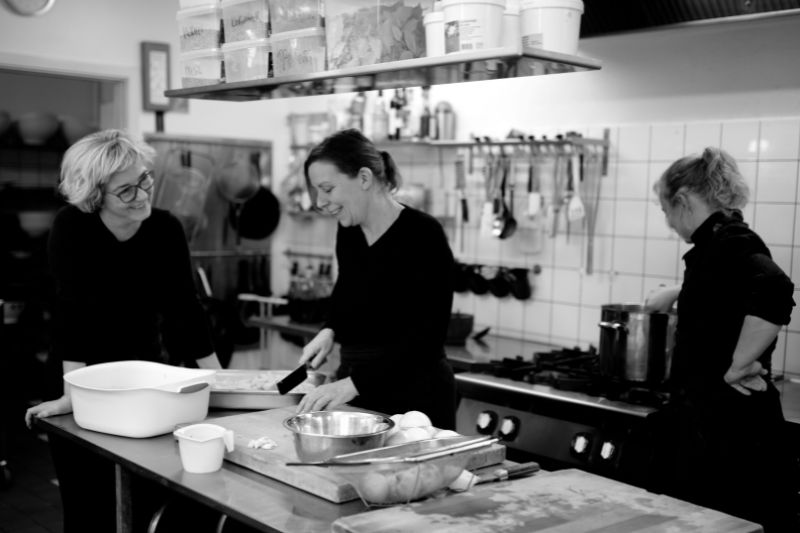
Why French Kitchens are considered the toughest training ground in the world And why that pressure quietly creates the best chefs
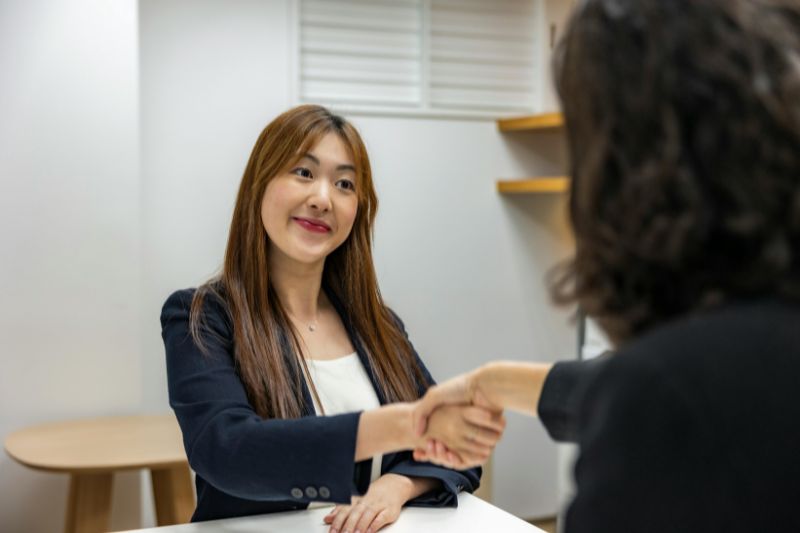
What Are Recruiters Abroad Really Looking for in Hospitality Students?
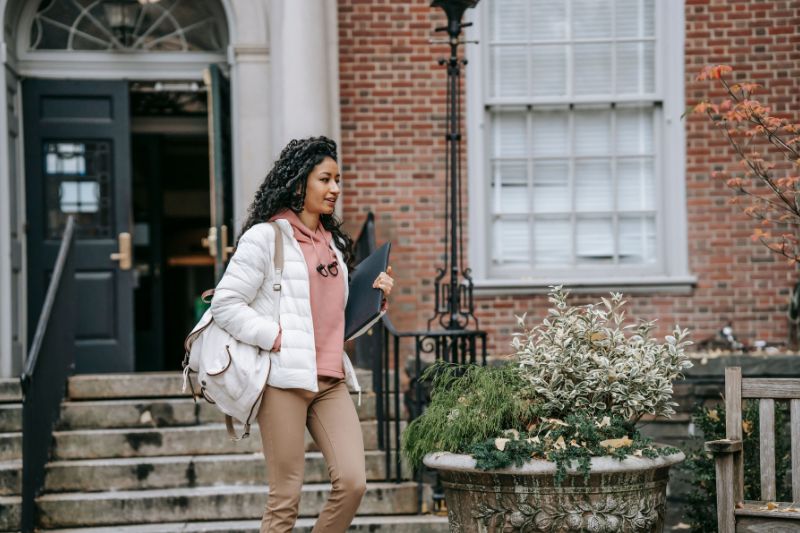
The Courage Tax: Why Every Student Must Step Outside Their Comfort Zone to Grow
The most powerful hospitality skill isn't service. It's observation.