

What Is Omotenashi And Why Is the World Obsessed With It?
The Japanese Philosophy That Quietly Redefined Hospitality Across the World
The guest never asked for water. but somehow, it was already there.
That is often the first feeling people experience upon encountering true Japanese hospitality. A quiet attentiveness. A sense of care so thoughtful, it almost feels invisible.
Nobody asks loudly, Nobody over-explains.
Nobody performs kindness for attention.
And yet… You feel deeply taken care of.
This philosophy is called Omotenashi.
And once you understand it, you begin noticing why the entire world admires Japan’s approach to hospitality so deeply.
Omotenashi is hospitality without expecting anything back
At its heart, Omotenashi means:
serving wholeheartedly, with sincerity, anticipation, and care. In many service environments, hospitality becomes transactional: “I helped because I am supposed to.”
Omotenashi feels different.
It quietly says: “I noticed your need before you had to ask.”
That distinction changes everything.
The beauty of omotenashi lies in the smallest details
In Japan, tiny gestures carry enormous meaning.
- A taxi door opens automatically.
- A hotel receptionist walks you to the elevator.
- A neatly folded napkin is placed carefully.
- Train staff bowing before entering and exiting compartments.
None of these actions is “necessary.” And perhaps that is exactly why they feel so powerful. Omotenashi teaches that hospitality lives in the details people may never verbally acknowledge… but always emotionally remember.
Why the world became obsessed with japanese hospitality
There are luxurious hotels everywhere. There are expensive restaurants everywhere.
But Japanese hospitality creates something deeper:
Comfort.
People often describe experiences in Japan using words like:
- peaceful
- thoughtful
- seamless
- respectful
- calming
In today’s fast-moving world, being truly cared for has become surprisingly rare. That rarity is what makes Omotenashi unforgettable.
Omotenashi is not about “Doing More”
It is about noticing more.
This is where many people misunderstand Japanese hospitality. Omotenashi is not loud luxury. It is awareness.
The ability to quietly observe:
- discomfort
- confusion
- hesitation
- need
before someone expresses it verbally. And honestly? That level of attentiveness requires emotional intelligence, patience, and presence. Technology may improve systems. But warmth still comes from people.
The philosophy began long before modern hotels
The roots of Omotenashi go back centuries, deeply connected to Japan’s tea ceremony culture.
Tea hosts believed every guest interaction should feel:
- respectful
- intentional
- peaceful
- unforgettable
Even small details:
- the room arrangement,
- the tea bowl selection,
- the atmosphere,
were prepared with deep care.
The idea was simple, every guest deserves complete presence, and that philosophy slowly became woven into Japanese culture itself.
What hospitality students can learn from omotenashi
For students entering hospitality, Omotenashi offers a powerful lesson. Hospitality is never only about efficiency, it is about emotion. A perfectly prepared room matters.
But so does:
- eye contact
- tone
- patience
- warmth
- calmness under pressure
Because guests rarely remember every technical detail.They remember how a place made them feel and Omotenashi understands this beautifully.
Why omotenashi feels surprisingly familiar to indians
The first time many Indians experience Japanese hospitality, they often feel something unexpected, Familiarity.
We grew up hearing “Atithi Devo Bhava” — the guest is equivalent to God.
Indian hospitality also values:
- warmth
- generosity
- emotional connection
- making people feel at home
The expressions may differ, but the emotional core feels beautifully similar, perhaps that is why Indian hospitality professionals often adapt so naturally to global hospitality cultures like Japan.
The hardest part of omotenashi?
It cannot Be Faked.
True Omotenashi does not come from scripts. Guests can sense the difference between,”performed politeness and genuine care.”and that is why the philosophy feels so rare.
Because it demands:
- consistency
- sincerity
- humility
- emotional discipline
Even during stressful moments.
How omotenashi quietly changes professionals too
Something interesting happens when hospitality students begin understanding this philosophy deeply. They stop viewing service as “small work.”They begin seeing it as emotional craftsmanship.
And slowly:
- Their communication changes
- Their awareness sharpens
- Their patience improves
- Their professionalism deepens
In a loud world, omotenashi feels gentle
Today, many industries focus on:
Speed, scale, automation, performance.
Omotenashi reminds us of something softer. That care still matters. That attention still matters. That people remember kindness far longer than efficiency and perhaps that is why the world continues to admire Japanese hospitality so deeply.
Omotenashi is not just a Japanese hospitality philosophy, It is a reminder. That the most meaningful experiences are often created quietly.In thoughtful gestures, In emotional attentiveness, In anticipating someone’s needs before they feel alone enough to ask and maybe that is what true hospitality has always been care, not service.
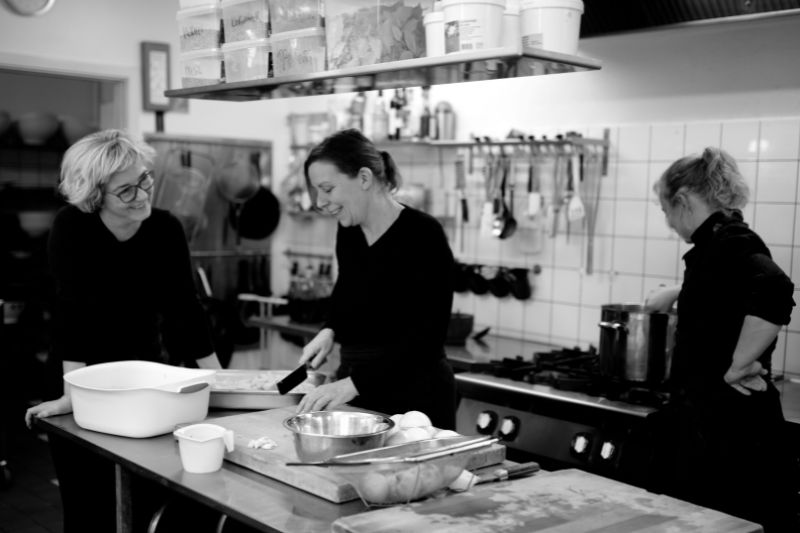
Why French Kitchens are considered the toughest training ground in the world And why that pressure quietly creates the best chefs

What Are Recruiters Abroad Really Looking for in Hospitality Students?
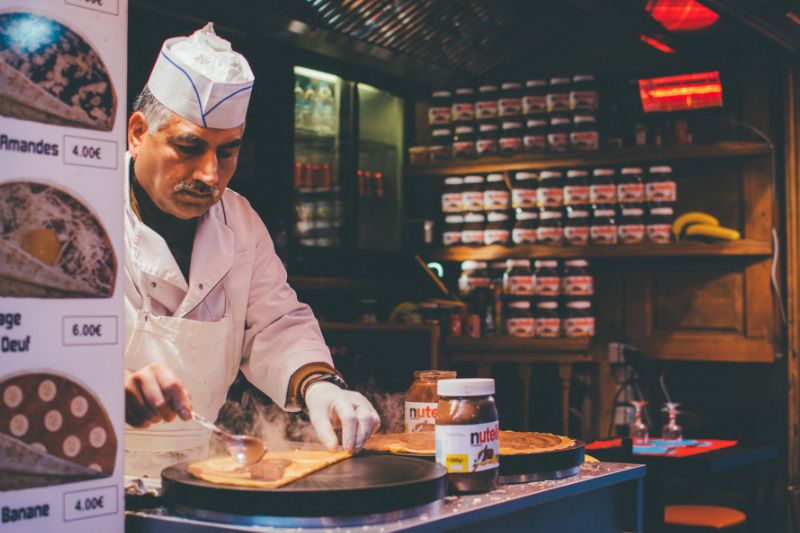
Imagine a day in France as a chef, this is what it looks like

The Courage Tax: Why Every Student Must Step Outside Their Comfort Zone to Grow

The most powerful hospitality skill isn't service. It's observation.