
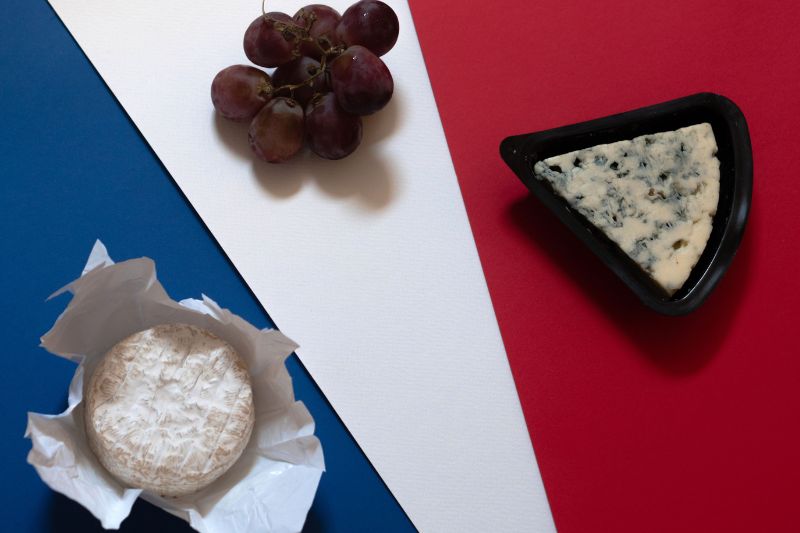
A Beginner's Guide to French Cheese
If there's one thing the French take as seriously as their language, it's their cheese.
Walk into any French supermarket, neighbourhood market, or local fromagerie (cheese shop), and you'll quickly realise you're not simply buying food—you're stepping into centuries of culinary tradition. Shelves are filled with cheeses of every shape, texture, aroma, and flavour, each carrying a story of its region, history, and craftsmanship.
For hospitality students preparing for internships or careers in France, understanding cheese isn't just about expanding your palate. It's about understanding French culture. Whether you're working in a Michelin-starred restaurant, a luxury hotel, or a charming countryside bistro, you'll encounter guests who expect you to know the difference between le brie (Brie) and le camembert (Camembert), or why one cheese belongs on a cheeseboard while another melts perfectly into a gratin.
Let's explore the fascinating world of French cheese.
France: A Country That Speaks the Language of Cheese
There's a famous saying often attributed to Charles de Gaulle:
"How can you govern a country that has hundreds of varieties of cheese?"
Whether the exact number is 400 or over 1,000, one thing is certain—France is a paradise for cheese lovers.
Each region proudly produces its own specialties, and many cheeses are protected under strict geographical regulations, ensuring they can only be made in specific parts of the country using traditional methods.
For hospitality professionals, this means one thing: cheese isn't simply an ingredient. It's an experience.
It All Starts with Le Fromage (Cheese)
The French word for cheese is le fromage (cheese).
Unlike many countries where cheese is an accompaniment, in France it's often served as a dedicated course between the main meal and dessert.
Understanding cheese service becomes an essential part of working in French hospitality.
You won't simply place cheese on a plate. You'll explain it. Recommend it.
And sometimes even pair it with wine or bread.
Not All Cheese Is Created Equal
One of the first things you'll notice is that the French don't categorise cheese by brand.
They categorise it by texture and the way it's made.
For example:
Le fromage à pâte molle (Soft Cheese)
These cheeses have a creamy interior and often a soft edible rind.
The two most famous examples are:
- Le brie (Brie)
- Le camembert (Camembert)
These cheeses become softer as they mature and are staples on almost every French cheeseboard.
Le fromage à pâte semi-molle (Semi-soft Cheese)
As the name suggests, these cheeses are firmer than Brie but still smooth and creamy. They're incredibly versatile and often enjoyed with bread or fruit.
Le fromage à pâte pressée non cuite (Semi-hard Cheese)
Literally meaning "pressed but not cooked cheese," these varieties are aged and have a firmer texture. They slice beautifully and are frequently used in sandwiches and cheese platters.
Le fromage à pâte pressée cuite (Hard Cheese)
These cheeses are cooked during production before being pressed, creating dense textures and rich flavours.
Many are aged for months or even years, developing complex taste profiles loved by cheese enthusiasts.
Meet the Stars of the French Cheese Counter
If you're interning in France, these are names you'll hear almost every day.
Le Brie (Brie)
Soft. Creamy. Elegant.
Often called the "Queen of Cheeses," Brie is one of France's most recognisable cheeses and pairs wonderfully with fresh baguettes.
Le Camembert (Camembert)
Often confused with Brie, Camembert has a stronger aroma and a richer flavour.
It's a favourite among the French and is commonly served at room temperature.
Le Bleu (Blue Cheese)
Known for its distinctive blue veins, le bleu (blue cheese) has a bold flavour that surprises many first-time visitors. Love it or hate it—it always starts conversations.
La Mozzarella (Mozzarella)
Although Italian in origin, la mozzarella (mozzarella) is widely used across France, especially in cafés, pizzas, and fresh salads.
Le Cheddar (Cheddar)
Another international favourite, le cheddar (cheddar) appears in many hotel kitchens, especially those serving international guests.
Le Parmesan (Parmesan)
Perfect over pasta, soups, and risottos, le parmesan (parmesan) is a staple ingredient in many professional kitchens.
Le Fromage de Chèvre (Goat's Cheese)
France produces exceptional goat's cheese.
Le fromage de chèvre (goat's cheese) ranges from soft and creamy to firm and aged, each with its own distinct flavour profile.
L'Édam (Edam)
Originally from the Netherlands, l'édam (Edam) is also commonly found in French supermarkets and breakfast buffets.
Le Manchego (Manchego)
Though Spanish, le manchego (Manchego) often appears on international cheese platters served in luxury hotels.
Understanding these cheeses helps hospitality students confidently explain menus and recommend selections to guests.
Fresh, Creamy, or Grated? There's a Cheese for Everything
French kitchens rely on different cheeses for different purposes.
Need something to spread?
Choose le fromage à la crème (cream cheese).
Looking for a lighter option? Try le cottage (cottage cheese).
Preparing a salad or breakfast? Le fromage frais (fresh cheese) is a popular choice.
Making pasta or gratin? You'll almost certainly reach for le fromage râpé (grated cheese).
Learning these everyday terms can make life much easier during your internship, especially when working in hotel kitchens or breakfast service.
Don't Forget La Croûte (The Rind)
One word that surprises many students is la croûte (the rind).
The rind is the outer layer of a cheese. Sometimes it's edible. Sometimes it isn't.
Knowing the difference is an important part of food knowledge in professional hospitality. A guest may even ask whether the rind should be eaten. You'll want to answer confidently.
Why Cheese Knowledge Matters in Hospitality
At first glance, learning cheese vocabulary might seem like memorising another list of French words. In reality, it's much more than that.
Every cheese tells a story about French agriculture, regional identity, and culinary heritage.
Guests notice when hospitality professionals can confidently explain a cheese platter, recommend pairings, or pronounce names correctly.
It's these seemingly small details that elevate service from good to exceptional.
As a hospitality student, mastering French food vocabulary demonstrates professionalism, cultural awareness, and a genuine respect for the country's traditions.
Cheese in France isn't simply something you eat. It's something you celebrate.
So the next time you see le brie (Brie), le camembert (Camembert), or le fromage de chèvre (goat's cheese), don't just learn the words.
Learn the stories behind them. Because in French hospitality, knowing your fromage isn't just about food. It's about creating conversations, delivering memorable guest experiences, and embracing a culture where every meal tells a story.
And who knows?
The next time you're serving a guest in a luxury hotel in France, your knowledge of le fromage might just become the highlight of their dining experience.

What Is Omotenashi And Why Is the World Obsessed With It?
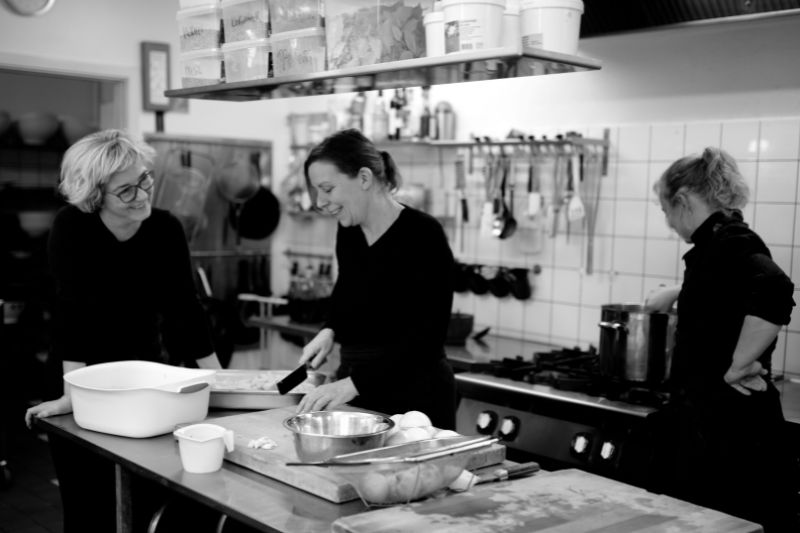
Why French Kitchens are considered the toughest training ground in the world And why that pressure quietly creates the best chefs

What Are Recruiters Abroad Really Looking for in Hospitality Students?
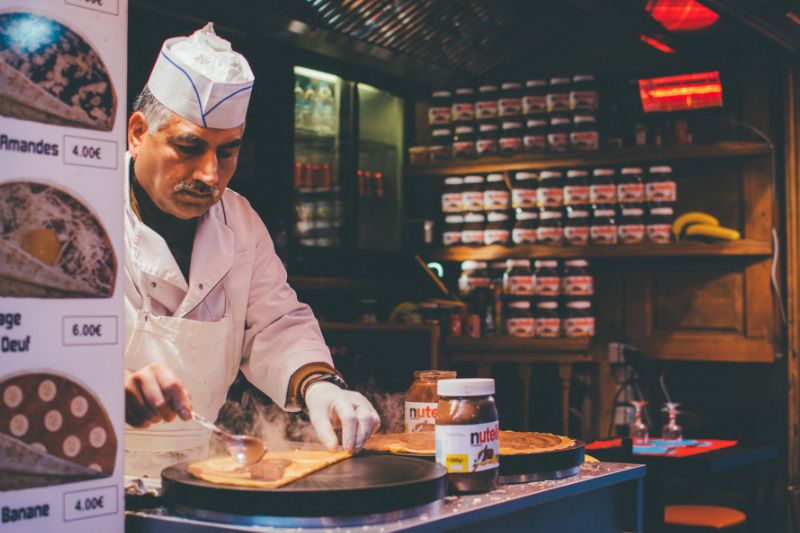
Imagine a day in France as a chef, this is what it looks like

The Courage Tax: Why Every Student Must Step Outside Their Comfort Zone to Grow