
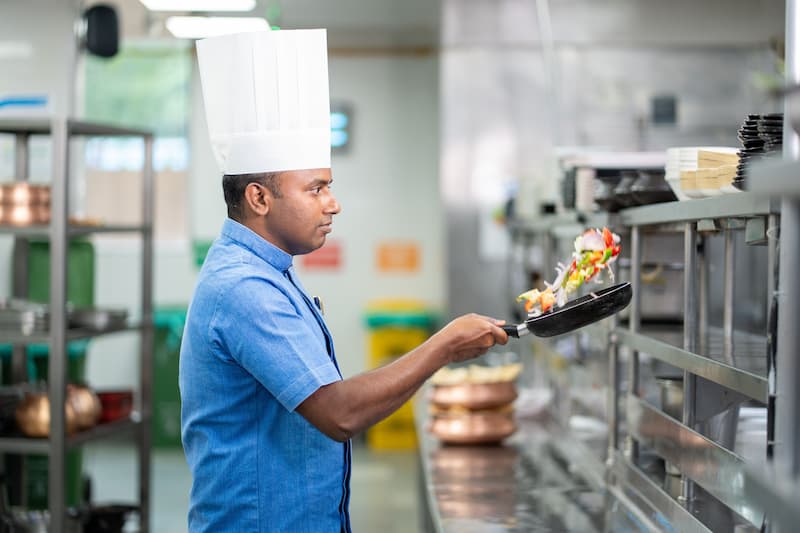
Paid Culinary Internships Abroad: Common Application Mistakes Students Should Avoid
Paid Culinary Internships Abroad: Common Application Mistakes Students Should Avoid
“I applied everywhere…but never heard back.”
This is one of the most common sentences hospitality and culinary students say after applying for internships abroad.
Most of the time, the issue is not talent. It is preparation.
International culinary internships are highly competitive, not because opportunities are limited, but because recruiters abroad look for students who understand professionalism, readiness, and attention to detail long before entering the kitchen.
Many students spend months dreaming about Michelin-starred kitchens, luxury resorts, and global culinary careers.
But somewhere between the application form and the interview, small mistakes quietly close big doors.
And the difficult part?
Most students don’t even realise they are making them.
So before you apply for a paid culinary internship abroad, here are the most common application mistakes students should avoid — and what international recruiters are truly looking for instead.
1. Treating the Application Like a College Assignment
Your résumé is not paperwork. It is your first impression.
One of the biggest mistakes students make is submitting rushed applications.
Generic résumés.
Unstructured emails.
Incomplete documents.
Copied SOPs.
In global hospitality, presentation matters deeply.
Recruiters immediately notice:
- Formatting
- Professionalism
- Communication style
- Attention to detail
And culinary is an industry built entirely on detail.
If a student submits careless documents, recruiters quietly wonder:
"Will they also work carelessly in the kitchen?"
2. Applying Without Understanding the Country
France, Japan, Dubai, and Italy are not the same hospitality worlds.
Many students apply abroad without researching:
- Work culture
- Kitchen hierarchy
- Guest expectations
- Language requirements
- Hospitality standards
This becomes very obvious during interviews.
A student saying: "I just want to go abroad" feels very different from a student saying:
"I admire France’s discipline in fine dining service and culinary precision."
The second student feels prepared.
And recruiters value preparedness.
3. Ignoring Language Preparation
You don’t need fluency. You do need effort.
Students often assume:
"Everyone speaks English abroad anyway."
That assumption hurts many applications.
Even basic language preparation in:
- French
- Japanese
- German
- Italian
shows seriousness and adaptability.
Hospitality is a people-first industry. A simple greeting in the local language immediately creates warmth with guests, chefs, and teams.
And recruiters notice students who make that effort.
4. Underestimating Grooming and Professional Presence
Hospitality begins before you speak.
This surprises many students. But international recruiters strongly evaluate:
- Grooming
- Posture
- Eye contact
- Communication confidence
- Professional etiquette
Especially during interviews.
A culinary student may have strong technical skills, but if they appear disengaged, careless, or unprepared, recruiters hesitate.
5. Believing “Experience” Is the Only Thing That Matters
Potential often matters more than experience.
Many students avoid applying because they believe:
"I don’t have enough experience."
The reality?
International recruiters frequently select students based on:
- Learning attitude
- Adaptability
- Discipline
- Curiosity
- Communication skills
A student willing to learn often grows faster than someone overconfident in limited experience.
Global kitchens can teach techniques. Mindset is harder to teach.
6. Sending the Same Résumé Everywhere
One-size-fits-all applications rarely work internationally.
A luxury hotel in France and a resort in Dubai may value very different qualities. Yet many students send identical applications everywhere.
Fine dining kitchens may prioritise precision and discipline
Resorts may value guest interaction and adaptability
Cruise lines may focus on stamina and teamwork
Customising your résumé and SOP according to the role creates a much stronger impact.
7. Weak SOPs That Say Nothing Personal
“I am passionate about cooking” is not a story.
Most student SOPs sound almost identical. And recruiters read hundreds of them.
The strongest applications feel human.
Instead of generic lines, recruiters remember:
- Real experiences
- Personal motivation
- Cultural curiosity
- Emotional connection with hospitality
For example:
"Watching my mother run a home kitchen with precision first taught me hospitality."
feels far more authentic than:
"I am passionate about the culinary field."
8. Applying Too Late
Global opportunities move faster than students expect.
Many students begin searching only weeks before they want to leave.
But international culinary placements involve:
- Interviews
- Documentation
- Visa processing
- Language preparation
- Employer approvals
The strongest candidates usually prepare months in advance.
Planning early creates:
✔ Better opportunities
✔ Better placements
✔ Better readiness
Last-minute applications often create unnecessary stress and limited options.
9. Ignoring Soft Skills
Kitchens run on teamwork, not ego. Students often focus only on technical skills.
But recruiters abroad care deeply about:
- Communication
- Teamwork
- Emotional control
- Professional behavior
- Listening skills
A student who can remain calm, respectful, and cooperative during difficult moments becomes incredibly valuable.
And honestly?
Many recruiters prefer emotionally mature students over technically flashy ones.
10. Thinking the Internship Is Only About “Going Abroad”
The flight is the smallest part of the journey.
Some students become so focused on:
The country
Social media pictures
International exposure
that they forget the real purpose.
A paid culinary internship abroad is not tourism. It is transformation.
You will:
- Work long hours
- Adapt to different standards
- Learn discipline
- Experience pressure
- Grow emotionally and professionally
Students who succeed abroad usually arrive with one mindset:
"I am here to learn." And that mindset changes everything.
What Recruiters Abroad Actually Want
At the end of the day, international culinary recruiters are searching for students who are:
- ✔ Professional
- ✔ Adaptable
- ✔ Curious
- ✔ Disciplined
- ✔ Open to growth
The Real Opportunity Behind Culinary Internships Abroad
The greatest benefit of an international culinary internship is not only the brand name on your résumé. It is the transformation that happens quietly.
You become:
- More independent
- More resilient
- More culturally aware
- More confident under pressure
And somewhere between the kitchen rush, the language barriers, and the unfamiliar environment, you begin discovering a stronger version of yourself.
Preparing the Right Way Matters
At Destiny Calling, we help hospitality and culinary students prepare beyond just applications.
From interview readiness and language preparation to cultural understanding and guidance for global internships, we focus on developing students who are truly ready for international hospitality environments.
Because opportunities abroad are real, but the right preparation is what helps students reach them confidently.

What Is Omotenashi And Why Is the World Obsessed With It?
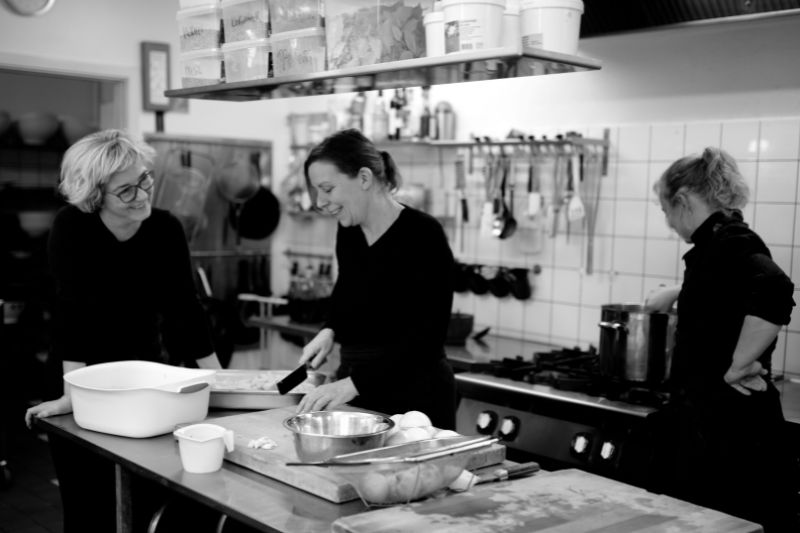
Why French Kitchens are considered the toughest training ground in the world And why that pressure quietly creates the best chefs

What Are Recruiters Abroad Really Looking for in Hospitality Students?
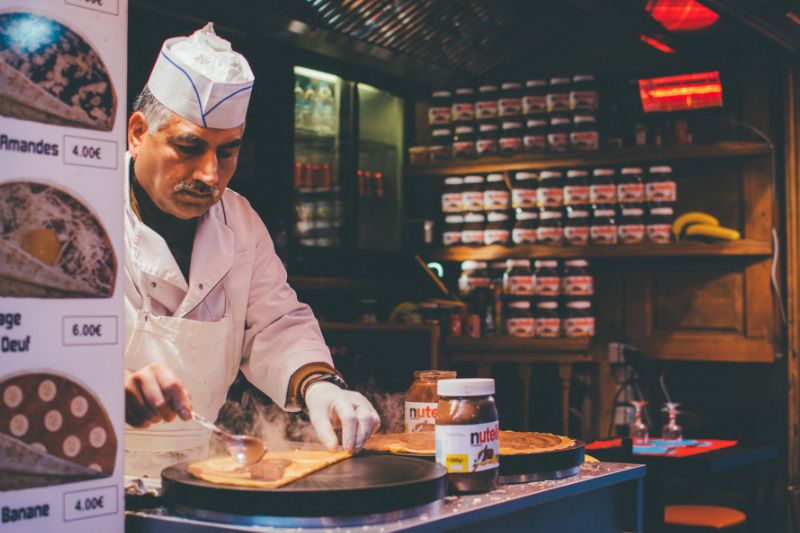
Imagine a day in France as a chef, this is what it looks like

The Courage Tax: Why Every Student Must Step Outside Their Comfort Zone to Grow