
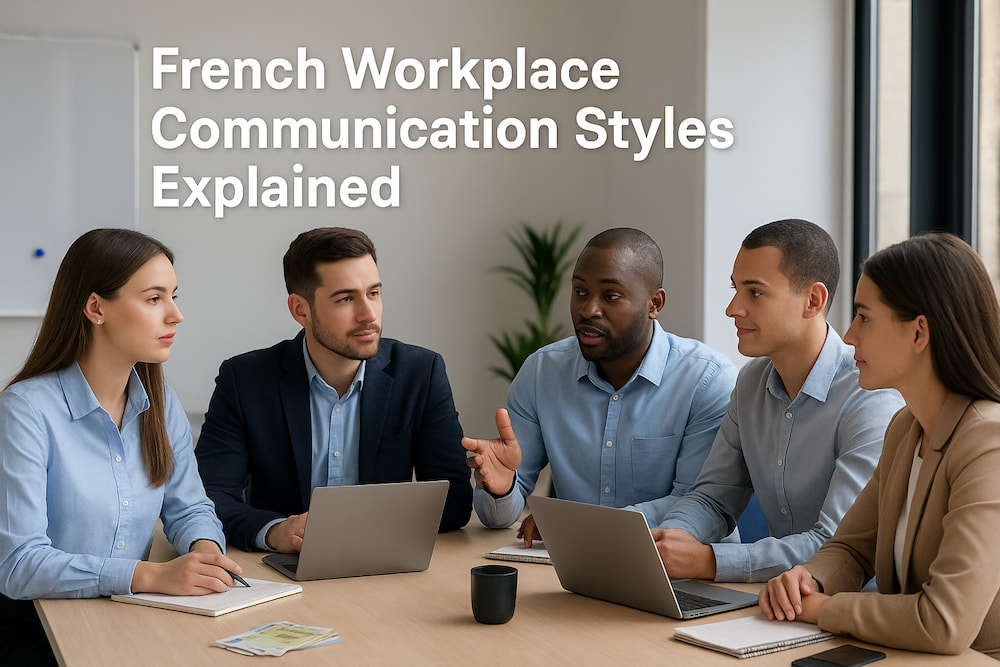
French Workplace Communication Styles - Formal, Direct, or Diplomatic?
Introduction
Starting internships in France is exciting—but adapting to the French workplace communication style can feel confusing at first. Is it formal? Is it direct? Or is it diplomatic?
The truth is: French workplace communication blends all three. Understanding when to be formal, how to handle direct feedback, and why diplomacy matters can make or break your internship experience.
Whether you’re an international student or a first-time intern in France, this guide will help you communicate confidently, avoid misunderstandings, and build strong professional relationships.
Before you begin, it’s also helpful to read
Essential French Business Etiquette for Interns
Why Communication Style Matters in Internships in France
French employers value clarity, logic, and respect. Even talented interns can struggle if they misunderstand communication norms.
Good communication helps you:
- Earn trust from managers
- Participate confidently in meetings
- Handle feedback professionally
- Improve chances of converting an internship into a job
👉 Related read:
How to Convert Your French Internship into a Long-Term Job Offer
Is French Workplace Communication Formal?
Yes—especially at the beginning
French workplaces usually start on a formal note, particularly during internships in France.
What this looks like:
- Using “Bonjour” before starting conversations
- Addressing colleagues as Monsieur / Madame
- Using “vous” instead of “tu”
- Formal email greetings and closings
Even if colleagues seem friendly, formality shows professional respect, not distance.
💡 Tip for interns:
Wait until a colleague invites you to use first names or “tu”.
Is French Communication Direct?
Also yes—but in a professional way
French professionals are often direct with ideas and feedback, especially in meetings. This can surprise interns from cultures where feedback is softened.
Example:
Instead of saying
“Maybe we can improve this a little…”
A French manager may say:
“This needs to be corrected.”
This is not rude—it’s efficient and focused on results.
How interns should respond:
- Don’t take feedback personally
- Ask logical follow-up questions
- Show willingness to improve
Helpful guide:
Navigating the French Work Culture: What Interns Should Know Before Starting
The Diplomatic Side of French Communication
While feedback can be direct, decision-making is often diplomatic.
French professionals:
- Present arguments logically
- Respect hierarchy in discussions
- Value well-thought-out opinions
Interrupting or being overly aggressive is discouraged.
In meetings:
- Wait for your turn to speak
- Support ideas with facts
- Disagree politely and calmly
This balance of logic + diplomacy is a key feature of French workplace communication.
Communication Styles You’ll Experience as an Intern
1. Emails: Polite and Structured
Emails during internships in France follow a clear structure:
- Greeting: Bonjour [Name],
- Clear message
- Polite closing: Cordialement / Bien à vous
Avoid emojis or overly casual language.
Learn more:
Understanding the French Internship Contract
2. Meetings: Organized and Thoughtful
Meetings in France:
- Follow agendas
- Encourage analytical discussion
- Value preparation
As an intern:
- Take notes
- Speak when invited
- Support opinions with logic
3. Feedback: Honest but Professional
Feedback may feel blunt—but it’s meant to help you grow.
Best response:
- Thank the person
- Clarify expectations
- Apply feedback quickly
This attitude is highly appreciated during internships in France.
Common Communication Mistakes Interns Make
Avoid these common errors:
❌ Skipping greetings
❌ Using overly casual language too soon
❌ Interrupting seniors
❌ Taking feedback emotionally
❌ Avoiding communication out of fear
Instead, aim for respectful confidence.
How International Interns Can Adapt Quickly
Here’s how to succeed:
- Observe how colleagues communicate
- Mirror tone and formality
- Ask questions when unsure
- Learn basic French phrases
- Stay calm and professional
Especially useful for non-French speakers:
Finding English-Speaking Internships in France
Real Intern Experience
“At first, I thought my manager was angry because of how direct the feedback was. Later, I realized this was normal in France. Once I adapted, communication became easy and professional.”
— A Destiny Calling intern in Paris
Why This Skill Helps Beyond Your Internship
Understanding French communication styles:
- Improves teamwork
- Builds leadership skills
- Strengthens global employability
- Increases chances of job offers in France or Europe
Related article:
Internships Abroad vs Remote Internships: Which Is Right for You?
Final Thoughts
So, is French workplace communication formal, direct, or diplomatic?
✔️ It’s formal in structure
✔️ Direct in feedback
✔️ Diplomatic in discussion
Once you understand this balance, internships in France become far more rewarding and less intimidating.
If you’re planning an internship and want expert guidance—from placement to cultural preparation—Destiny Calling is here to support you every step of the way.
👉 Explore opportunities now:
France Internship Program

What Is Omotenashi And Why Is the World Obsessed With It?

Why French Kitchens are considered the toughest training ground in the world And why that pressure quietly creates the best chefs

What Are Recruiters Abroad Really Looking for in Hospitality Students?

Imagine a day in France as a chef, this is what it looks like

The Courage Tax: Why Every Student Must Step Outside Their Comfort Zone to Grow